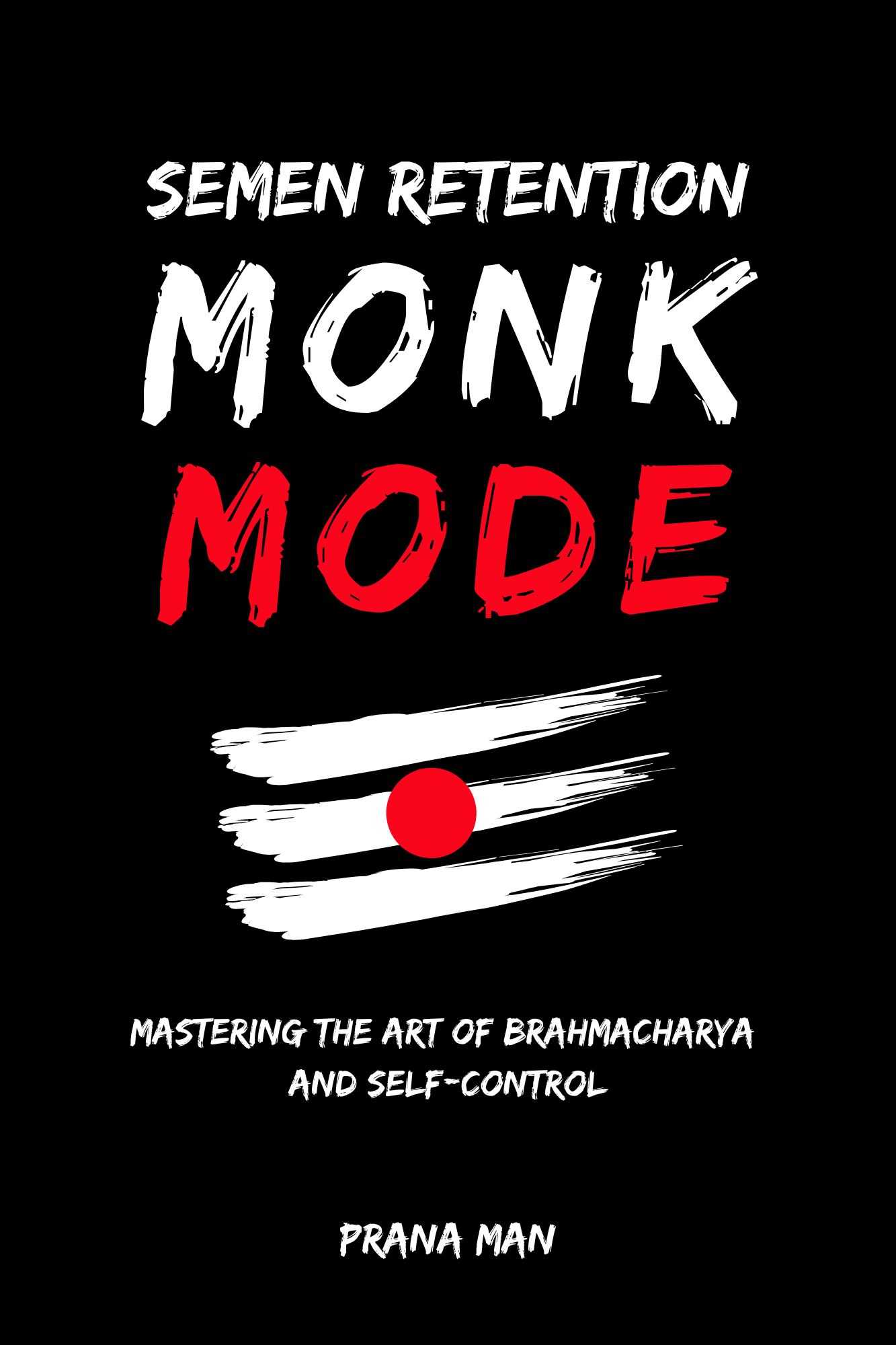
“Brahmacharya includes householders. What the married practice looks like — plus how to choose a partner who supports the path.”
Two Valid Paths
The tradition honors both: the unmarried practitioner (complete abstinence, total focus on the goal and the Divine) and the householder (grihasta), who channels sexuality righteously — for wanted offspring and early marital bonding — then lets the bond mature toward kindness, understanding and companionship over raw frequency.
The Married Practice
- Procreation, not recreation: intimacy kept meaningful and moderate, never compulsive or fantasy-driven.
- Mutual uplift: shared routine — sleep hours, food, media hygiene, devotion — protects both partners.
- Maturing bond: as years pass, deliberately grow the non-physical pillars: conversation, service, humor, shared goals. Couples who do this report deeper satisfaction, not less.
- Honest windows: agreed periods of continence (festivals, retreats, focused work seasons) are a traditional householder tool.
Choosing the Right Partner
Character over chemistry alone: how do they treat people who can do nothing for them? What are their habits with food, sleep, intoxicants, speech? Do they mock discipline or respect it? Shared direction beats shared hobbies — you can learn hobbies; you cannot outsource values.
For Women Practitioners
The disciplines are the same (thought, company, routine, devotion) with benefits of their own — steadiness, clarity, vitality. PRANA MAN's Celibacy Benefits For Women covers the women's path directly, and couples can walk the books together.
Ready for the full path?
This guide is a sample of the teaching. The starter books go further — with the depth practitioners re-read for years.
Book 3
$9.99